
As spring temperatures rise, so do feed stability challenges. You may have mycotoxins under control with DTX™, yet still see ruminal upsets, inconsistent manure, or drops in intake. So, what’s happening? As spring arrives, a common and often overlooked culprit is wild yeast activity.
Wild yeasts are commonly found in feeds over 30% moisture, especially those which have not experienced a complete and stable fermentation achieving a low pH. Each year as spring arrives, there seems to be a “bloom” of wild yeasts growing on unstable feeds or even on well-fermented feedstuffs exposed to oxygen for extended time periods. The wild yeasts consume the sugar in feeds to create heat and CO2. In doing so, they steal energy from the diet, and in some situations create heat for the browning reaction of combining glucose to amino acids to reduce protein availability.
A wild yeast-contaminated TMR lowers feed intake and impairs ruminal fermentation and bacterial amino acid production. It also increases starch flow to the hindgut, leading to energy loss, pathogen growth, and erratic manure. When this happens, cow activity systems often indicate reduced eating and rumination minutes.
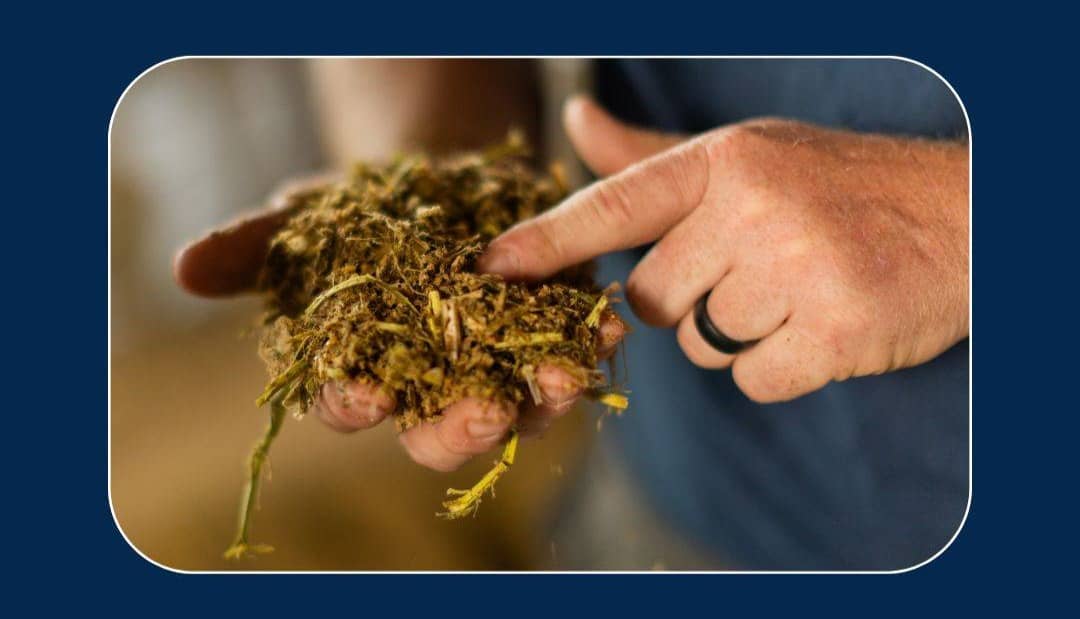
Because some of these symptoms overlap with mycotoxin signs, it’s important to differentiate the cause. A quick evaluation of a handful of the TMR or individual feed ingredients can implicate wild yeasts. If wild yeasts are present, corn silage, high-moisture corn or TMR contaminated will heat-up above the ambient temperature and have an alcohol or yeasty smell after 3-4 hours of oxygen exposure.
Certainly, feeds suspected of being yeast-laden can be submitted to a laboratory; however, if the sample bag is not vacuum sealed, even a few yeasts will rapidly increase in number during transit to the lab. Our recommendation for a quick onsite, inexpensive confirmation of wild yeasts is the previously mentioned feel and smell evaluation.
There are a few options to mitigate the effects of wild yeasts. Excellent corn silage face management is the first line of defense. Keeping a flat, clean face on silage piles will reduce oxygen exposure and slow wild yeast growth in the pile. Feeding out about 6-12 inches from the silage face per day will slow oxygen exposure into the silage bunker or pile. Do not remove silage from piles more than a few hours before feeding to reduce heating. In addition, the organic acids benzoic, sorbic and acetic can be added to TMRs to reduce yeast growth and heating.
Beyond feed management, the cow will benefit from a live yeast supplement. Live yeast products support the rumen microbiome and may out-compete the wild yeasts in the rumen. Choose a product you are familiar with and trust.
DTX Concentrate has you covered from mycotoxin risk, but at this time of year, that’s only part of the story. If cows aren’t performing like they should, don’t stop at toxin control – evaluate feed stability. Defending and protecting cows from mycotoxin risk is the first important step to supporting cow health and protecting profitability.
Authors: Caroline Knoblock, MSc, – Director of Nutrition, Agrarian Solutions and Larry Roth, Ph.D., PAS – Vice President of Nutrition
