
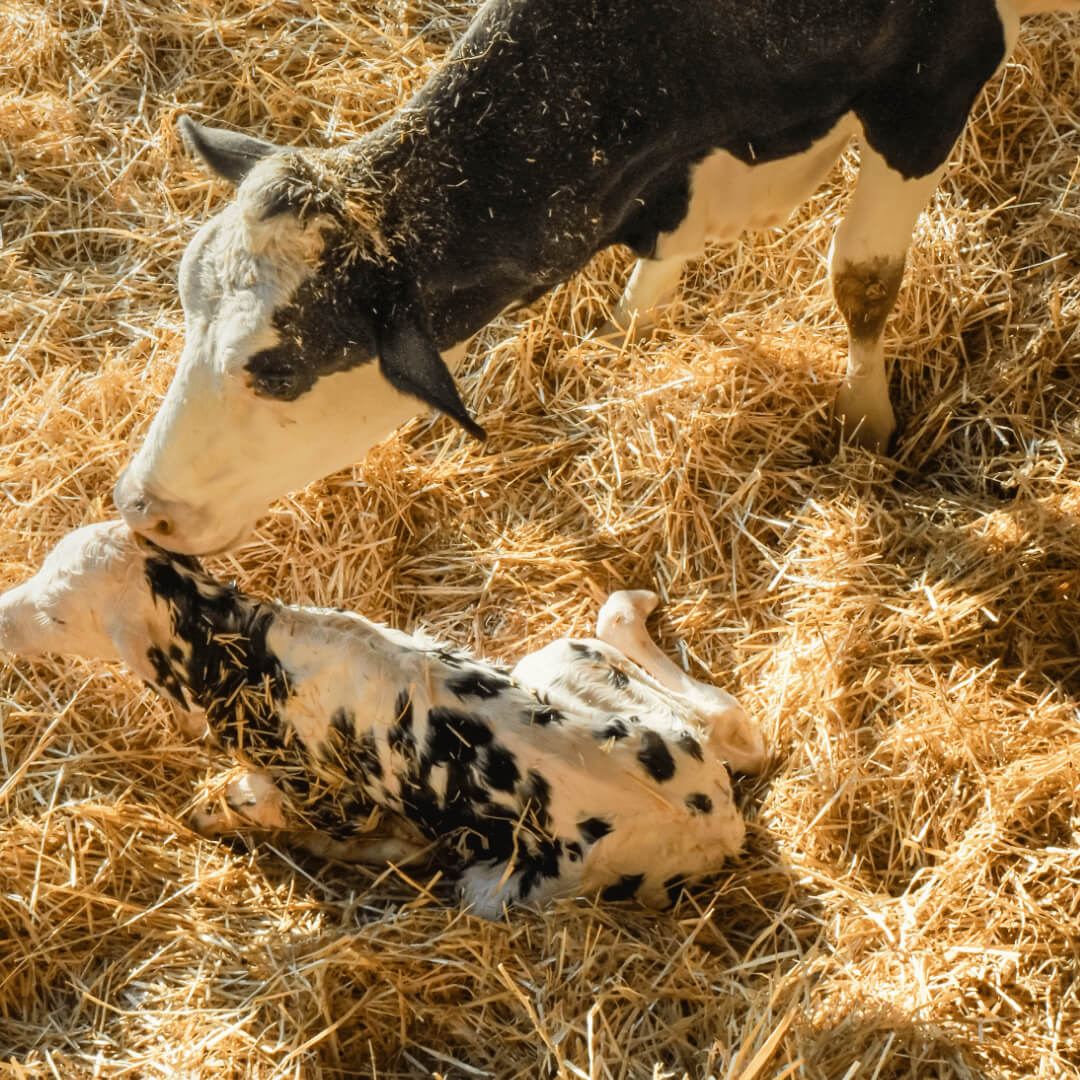
First-lactation heifers have the greatest genetic value of any lactating group on the dairy, and they may also experience some of the greatest post-calving inflammatory challenges. The onset of lactation, first-time calving, introduction to older cows, and adjustment to the milking parlor all create additional stress for these animals.
When the immune system is compromised, it may be less able to adequately defend the uterus against pathogenic bacteria. As a result, metritis is often more prevalent in first-lactation heifers than in other lactation groups. Metritis and other transition challenges in the first lactation can increase the risk of retained placenta, stillbirth, and reduced pregnancy per service in subsequent lactations1. Helping first-lactation heifers successfully resolve inflammation can deliver economic benefits to the dairy today and well into the future.
The Nutritional Challenge After Calving
Uterine involution can be viewed as a process of wound repair and tissue regeneration occurring in the face of bacterial exposure2. The combination of uterine involution and metritis places a significant nutritional demand on the animal, potentially reallocating glucose and other nutrients away from milk production, reproduction, and growth.
This challenge occurs at a time when nutrient demands are already high. Research indicates that dry matter intake declines as calving approaches and increases only gradually after calving. For first-lactation heifers, overcrowding, competition with older and larger cows, and adjustment to a new diet can further limit intake. The result can be a significant nutrient deficit even when the ration is correctly formulated. How can this nutrient deficit be addressed when feed intake is limited?
Cow Start™ Complete: Targeted Support at Calving
Agrarian Solutions’ unique Cow Start Complete is formulated to help overcome these transition challenges. At calving, a single bolus provides first-lactation heifers with more than 70 key micronutrients, including the antioxidants selenium yeast and vitamin E. The bolus slowly dissolves in the rumen over approximately 48 hours, providing targeted nutritional support during the critical period immediately following calving and helping supply nutrients needed for efficient immune function.
Research in First-Lactation Heifers
Two farms with persistent first-lactation metritis challenges provided a total of 248 heifers for a research study evaluating the benefits of administering a single Cow Start Complete bolus at calving. Veterinarians evaluated heifers for metritis on day 7 after calving at Farm A and day 9 at Farm B. At Farm A, metritis decreased from 10.3% in control heifers to 0% in heifers receiving a single Cow Start Complete bolus. At Farm B, metritis decreased significantly (P<0.05) from 17% in control heifers to 6% in heifers receiving Cow Start Complete.
Further results point to a reduction in inflammation after calving and a beneficial reallocation of nutrients. First service conception rate was improved by Cow Start Complete supplementation on both farms; Farm A improved (P<0.05) from 41% to 53%, and Farm B improved from 45% to 50%. These findings point to the potential for reduced post-calving inflammation and improved nutrient allocation during a critical period in the first-lactation heifer’s productive life.
First-lactation heifers represent the future of the dairy herd. Supporting their ability to manage metritis and post-calving inflammation is essential for helping them transition successfully into lactation, reproduce efficiently, and remain productive throughout their lifetime. Cow Start Complete provides targeted nutritional support when first-lactation heifers need it most.
References: ¹ Borchardt et al. (2024). Journal of Dairy Science, 107:9706–9718. ² Caldeira et al. (2025). Biology of Reproduction, 113:1132–1154.
Authors: Caroline Knoblock, MSc, – Director of Nutrition, Agrarian Solutions and Larry Roth, Ph.D., PAS – Vice President of Nutrition
