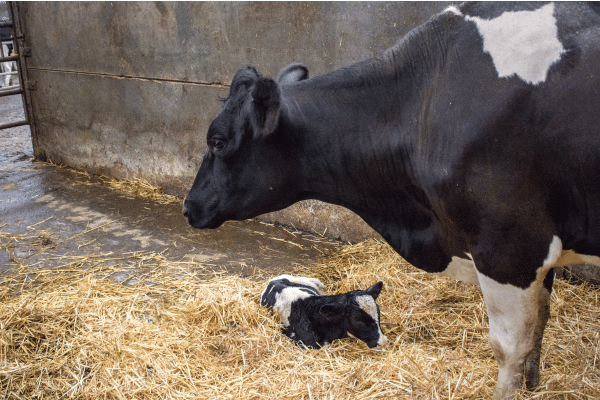
Mycotoxin exposure in the fresh pen matters, not just today but further into the lactation as well. The cow must respond to any amount of mycotoxin in the ration. Additionally, the transition period puts stress on the liver. The liver makes all the glucose the cow needs, which is especially critical for lactose for milk production and energy for the immune system. Dry matter intake is an important indicator of health, and anything that hampers intake can result in a cow that is more likely to have reduced milk production or poor reproduction. Mycotoxins harm rumen bacteria and directly result in decreased and erratic dry matter intake. The liver must detoxify mycotoxins, to the detriment of liver tissue and function. During a time where maximizing intake is essential, mycotoxins are creating vulnerabilities.
Multiple studies have shown the benefits of feeding DTX to lactating dairy cows in high and low mycotoxin environments. The studies confirm what we have seen in the field: cows that are fed DTX make more milk. The initial DTX study, published as abstracts in 2024, showed that cows fed naturally occurring DON and Zearalenone make more milk and have improved first-service conception when fed DTX from calving through 100 days in milk. Milk yield improved by 2.5 lbs per cow per day (Figure 1). Feed intake was not measured because the study was conducted on a commercial dairy farm.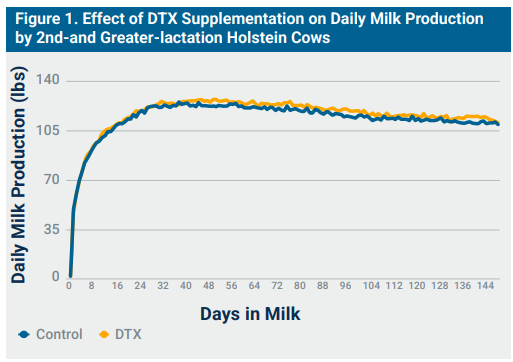
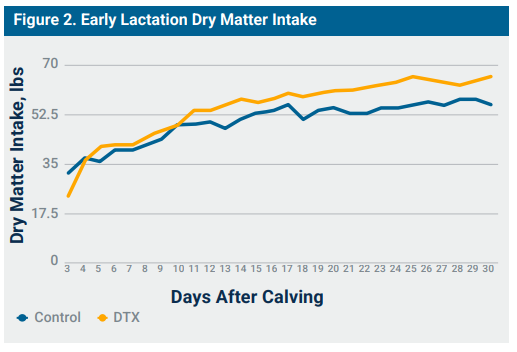
The subsequent DTX study, presented in this issue, utilized a research farm that could measure individual cow variables to explore how DTX was impacting the cows. This study showed more clearly when DTX starts to work and how fresh cows fed DTX benefit. Figure 2 shows daily feed intake for days 3-30 after calving. By day 5, cows fed DTX are eating more, and this difference becomes statistically significant by day 13. This result aligns with field results: the benefits of feeding DTX start to show in 5-7 days as the bacteria inoculate the digestive tract and the plant phytogenics are absorbed and moved to the liver.
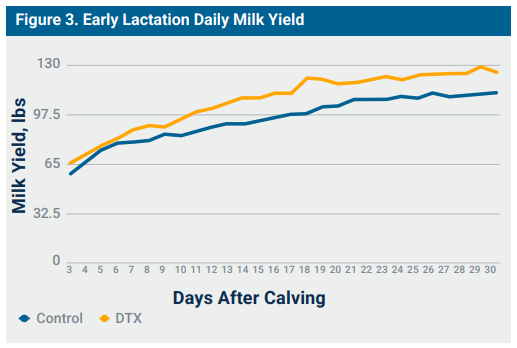
Not just feed intake was increased in this recent study; Figure 3 shows daily milk yield days 3-30 after calving. Similar to dry matter intake in Figure 2, milk yield starts similar, but by day 10 cows fed DTX are producing more. That increase in milk yield stays consistent through the remainder of the study. The fresh period is a vulnerable time for a cow. The cow needs to be defended from mycotoxin damage, and liver health must be protected to ensure productivity. Feeding DTX benefits the dairy cow whether mycotoxins are low or high and is an important part of every farm’s mycotoxin protection strategy.
Authors: Caroline Knoblock, MSc, – Director of Nutrition, Agrarian Solutions and Larry Roth, Ph.D., PAS – Vice President of Nutrition